Traveling to Enschede
Practical guidance for reaching the University of Twente campus by plane, train, or car.
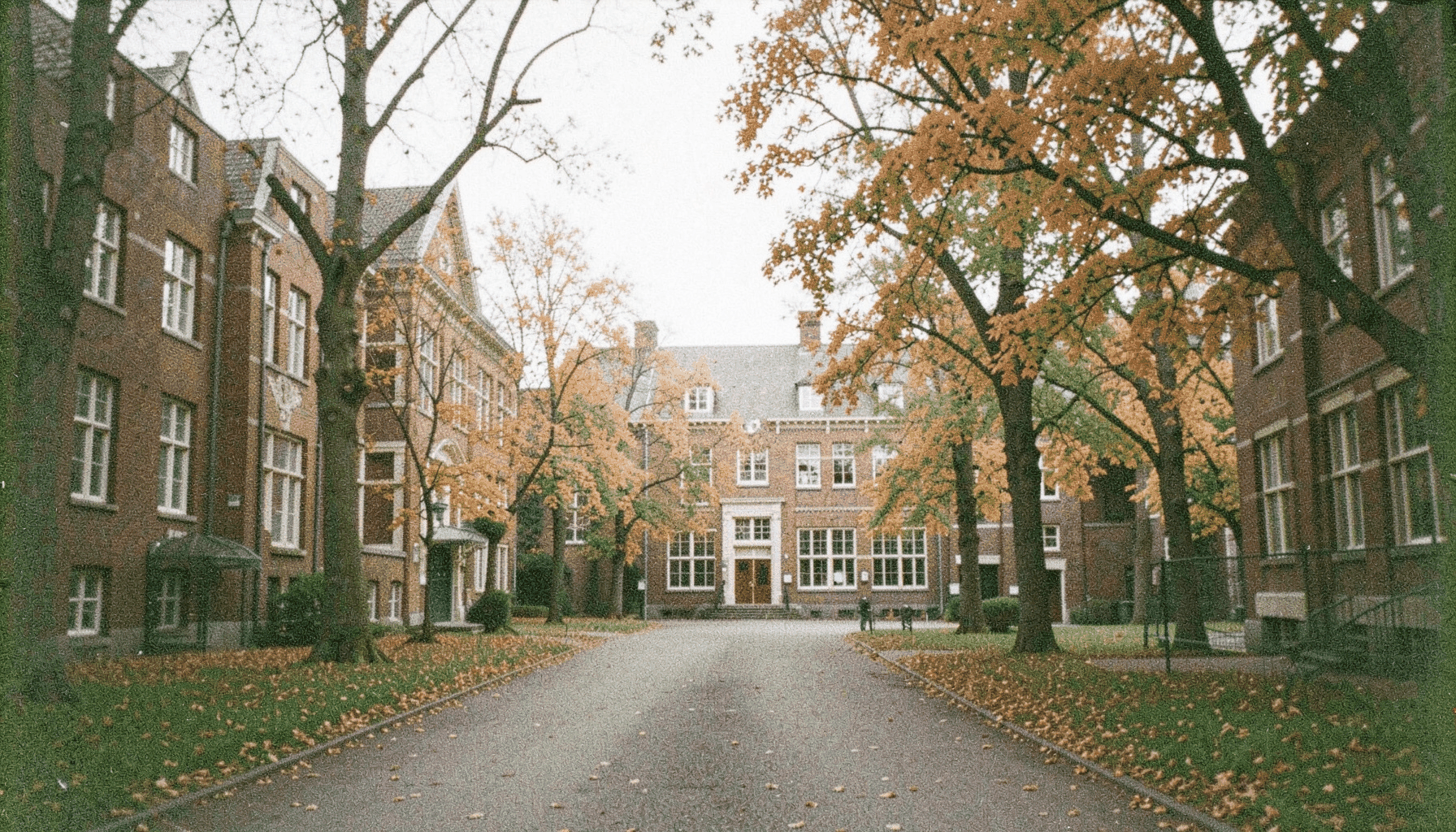
Getting to the Conference
The congress was hosted at the Waaier building on the University of Twente campus. Below are the main travel routes that attendees used to reach Enschede in October 2018.
Attending a major international congress on high-speed imaging and photonics means planning your journey with care, and the University of Twente campus in Enschede provided a welcoming and well-connected setting for the event. The Waaier building, where the congress sessions took place, sits within a modern university environment that is easy to navigate, with clear signage and helpful staff available throughout the meeting days. Participants arriving by air typically traveled through nearby international airports and then continued by train or road to Enschede, while those already in the Netherlands could take advantage of the country's efficient rail network. The October setting offered crisp, comfortable weather that made walking between venues and nearby hotels a pleasant experience.
The congress program itself reflected the breadth and depth of high-speed imaging and photonics as fields, bringing together leading scientists, engineers, and industry representatives from around the world. Sessions covered everything from ultrafast microscopy and live-cell studies to the dynamics of fluids, bubbles, and viscous folding under various conditions, including microgravity. Contributed talks and poster presentations offered a forum for the latest discoveries and technical innovations, while invited speakers shared their expertise on cutting-edge applications across a wide range of disciplines. The scientific excellence on display was complemented by an artistic dimension, with an award category celebrating the visual beauty that high-speed photography can reveal.
Beyond the technical sessions, the congress provided ample opportunity for networking and collaboration. The exhibition area hosted sponsors and exhibitors showcasing the latest equipment and technologies in high-speed imaging, from advanced cameras and sensors to specialized optical systems and software tools. Attendees could engage with representatives from leading companies, explore hands-on demonstrations, and discuss practical challenges with colleagues working in similar application areas. The relaxed atmosphere of the venue, combined with scheduled breaks and social events, encouraged informal conversations that often proved as valuable as the formal presentations themselves, helping to build and strengthen the international community that gathers around this field.
The organization of the congress reflected careful attention to the needs of its participants, from the registration process and abstract submission deadlines to the daily running of sessions and the coordination of poster displays. Awards recognizing outstanding contributions in various categories, including honorable mentions for exceptional work, highlighted the high standard of research presented at the meeting. For those new to the field, the congress served as an accessible introduction to the state of the art, while seasoned researchers found much to engage with in the latest developments. The combination of rigorous science, striking imagery, and a welcoming venue made the event a memorable experience for all who attended.
By Plane
The most common international gateway was Amsterdam Schiphol Airport. From Schiphol, an intercity train ran directly to Enschede Central Station — journey time approximately two hours. Train schedules and tickets were available via NS (Dutch Railways).
An alternative was Düsseldorf Airport in Germany, roughly 90 minutes by car from Enschede.
By Train
Enschede Central Station is well connected to the Dutch intercity network. From the station, local buses and taxis served the university campus. Public transport routes and timetables could be planned through 9292.nl.
By Car
Drivers from Germany could reach Enschede via the A35 motorway. From the west of the Netherlands, the A1 and A35 provided a direct route. On-campus parking was available near the Waaier building.
Campus Map & Locations
A custom Google Maps overlay showed all conference venues and relevant points of interest across the University of Twente campus. The Waaier building (Building no. 12) housed the main lecture halls and registration desk.
Conference Venue
The Waaier building at Hallenweg 21, Enschede, featured lecture halls seating up to 800 people and was the central hub for all sessions.
Accommodation
Several hotels near campus were recommended, including Fletcher Hotel De Broeierd, IntercityHotel Enschede, and Hotel Drienerburght.
Public Transport
Dutch Railways (NS) and the 9292 journey planner provided comprehensive route information for trains, buses, and trams throughout the Netherlands.